How Long Does Prp Continue Working
As we become more active, we often push/strain our tendons, joints, and ligaments beyond what they can handle. Stress injuries such as tendonitis and osteoarthritis can be the result. By now, many of you have heard of PRP or Platelet Rich Plasma. While PRP is not a magical cure, it does seem to be effective at minimizing pain from many conditions. As with other procedures, many of you wonder what the recovery time frame is after a PRP injection.
PRP – Platelet Rich Plasma
PRP injections are used to try and treat many different orthopedic injuries and degenerative conditions such as osteoarthritis arthritis. Many people believe that PRP might cure them of osteoarthritis. There are many other misconceptions about what PRP is and what it can do. Once you choose to proceed with a PRP injection, there will be many questions about how fast the recovery is following a PRP or platelet-rich plasma injection.
PRP Most Commonly Asked Questions:
- Will PRP help my condition?
- How is the PRP procedure performed?
- How long is recovery from a PRP injection?
This post will focus on how a PRP injection is performed, the typical recovery times we see in our office, and those quoted in the scientific literature. The science is changing rapidly. I will try and keep this post as up-to-date as possible. There will be many links at the bottom of this article to many other posts that go into depth on the use of PRP for various conditions.
What is a PRP injection and how is it performed?
PRP injection (Platelet-Rich Plasma) is an increasingly common treatment option being offered to patients for many orthopedic injuries and conditions. PRP is not a magical cure, but it does have a role in minimizing pain, decreasing inflammation, and improving function. We will discuss the potential uses below.
The PRP Procedure:
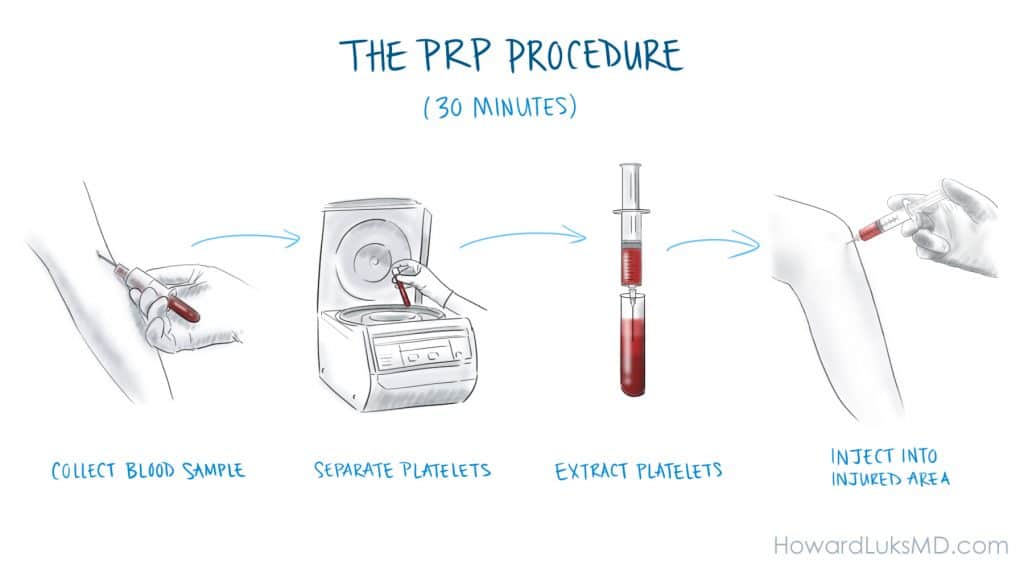
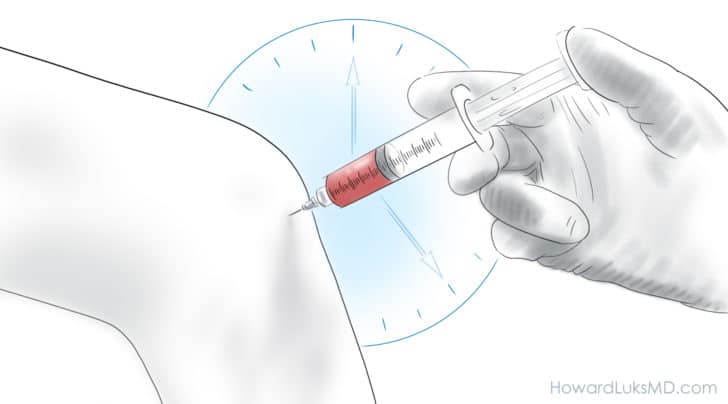
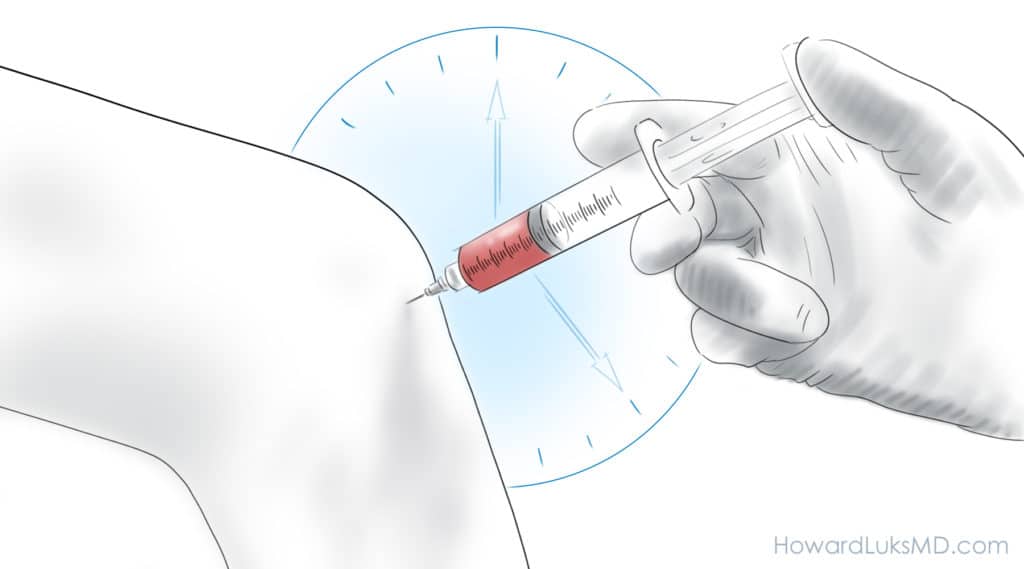
These PRP injections are an in-office procedure. The entire PRP procedure from start to finish takes 30 minutes or so. During a PRP injection, we take a sample of blood from your arm. That blood is placed into a unique canister, and then it is placed into a centrifuge. The centrifuge will separate blood into various components.
There is a layer that forms when the tube is spun in the centrifuge. That layer has the platelets in it. We are then able to remove the layer that has the platelets and other larger cells (stem cells) in it. That layer containing the platelets will then be injected into the joint, tendon, or ligament that is injured or painful. Depending on the area being injected, an ultrasound machine might guide the needle to its proper position.
The risks of PRP injections are very low because you are receiving your own blood. We do not typically add any medications to the PRP injection, so you are only injected with a portion of your blood. Most people experience soreness after the procedure. A few will describe it as pain. The pain after a PRP injection will vary significantly.
Knee, shoulder, or elbow joint PRP injections typically produce mild swelling and discomfort. Injections of PRP into muscles or tendons usually cause much more pain than a joint injection. That discomfort or pain can last 2-3 days or longer.
How do I prepare for a PRP injection?
During the PRP injection procedure, we will collect your platelets and inject them into the damaged or injured area. Platelet function is affected by certain medications. You may need to consult your cardiologist or primary care doctor if you take aspirin for your heart health.
Aspirin, Motrin, Advil, Alleve, Naprosyn, Naproxen, Celebrex, Mobic, and Diclofenac will all interfere with platelet function and would be expected to lessen the response to a PRP injection. We ask people to be off of aspirin or other anti-inflammatories for one week before the injection and two weeks after the injection. Tylenol will not affect platelet function and may be taken during the treatment period.
Will PRP work for my injury?
PRP therapy is used to treat the pain and inflammation of osteoarthritis of the knee, elbow, shoulder, and hip. PRP might also be useful for many overuse sports injuries including:
Meniscus tears
PRP when used alone will not heal a meniscus tear. However, when we repair the meniscus using sutures at the time of surgery, we will often inject the PRP around the repair site. The current thinking is that PRP might improve the chance that the repaired meniscus will heal after suturing.
Rotator cuff injuries:
Many people with bursitis or inflammation of their rotator cuff might respond to a PRP injection. PRP can reliably decrease inflammation. That is the primary goal of PRP. These injections will not reliably heal a rotator cuff tear. Like a meniscus tear, we might inject PRP in the area after repairing the rotator cuff. Again, the thought is that this might improve the chance that the rotator cuff tear will heal. In cases of bursitis without a tear, the PRP is often effective at alleviating the pain due to inflammation of the bursa. More about shoulder issues and bursitis can be found here.
Knee Osteoarthritis:
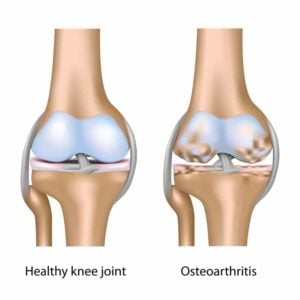
One of the most common uses for PRP is to treat the pain of osteoarthritis of the knee. PRP will not reverse or cure osteoarthritis, but PRP can diminish the pain due to the osteoarthritis. This post goes into more detail about PRP injections for knee arthritis.
The main goal of the PRP is to decrease the inflammation within the joint. We have used this successfully in combination with other procedures such as an embolization for people looking to delay a knee replacement.
Knee ligament injuries
PRP seems to be useful for injuries to the medial collateral ligament (MCL). Most MCL injuries heal on their own within 2-3 months. Some MCL injuries become chronic. That means that they hurt longer than we anticipate. PRP injections might help an MCL tear heal faster and minimize the pain of a chronically painful tear.
The word chronic implies that the inflammation and swelling last well beyond the average expected recovery time. PRP injections in this setting have been demonstrated to improve the healing and minimizing chronic inflammation. These happen to be pretty painful injections. Many of you will feel worse and stiffer for a few weeks after the injection.
Other possible uses for PRP injection include the following:
- tennis elbow,
- elbow ulnar collateral ligament injuries (to avoid Tommy John Surgery)
- ankle sprains, tendonitis, and ligament sprains.
With PRP therapy, a patient's blood is drawn, separated, and re-injected into injured joints and muscles to ease the pain. After the injection, your platelets release specific growth factors that often lead to tissue healing and repair. This is why it can take a while to see results after an injection. The platelets that we are injecting do not heal the tissue directly. Platelets release many chemicals that summon or call other reparative cells to the area of injury. When the platelets release their chemicals, it causes an inflammatory response. This inflammation is also why PRP injections into the tendons, muscles, and ligaments will hurt.
PRP will initially cause acute inflammation to heal the problem. That acute inflammation could hurt for a few days. It takes time for the recruited repair cells to come to the injured area and start the repair process. For many tendon injuries, the recovery can be 6-8 weeks or more after the injection.
What PRP will not help:
PRP is not a panacea. It does not cure osteoarthritis. It doesn't heal meniscus or rotator cuff tears.
In a few studies, PRP is not helpful in the Achilles tendon.
PRP may or may not be helpful for patella tendonitis. Some research papers show that PRP is ineffective in managing the pain due to patella tendonitis or a jumper's knee. A few surgeons report success with PRP and patella tendonitis— therefore, we do not have the final answer yet.
PRP recovery time: What can I expect after an injection?
Patients may experience approximately two to three days of being sore after joint injections. People receiving PRP for soft tissue (tendon or ligament) injuries can expect pain for a few days. They may also experience stiffness. Tylenol is often effective at managing pain.
Prescription pain medication is rarely needed. Patients often rest for a few days after the treatment but this is not absolutely necessary. Pain relief typically starts to occur within three to four weeks after the PRP injection. Your symptoms continue to improve over a period of three to six months following a PRP injection. The recovery time frame varies a lot depending on what we are treating.
The pain or discomfort of osteoarthritis usually responds faster than tendon-related pain such as tennis elbow, golfers elbow, or patella tendonitis. PRP has NOT been beneficial for Achilles tendon issues. Sometimes arthritic joints respond much faster to these injections than a patient being treated for tendonitis.
Why PRP and not Cortisone?
If successful, PRP generally results in long-lasting relief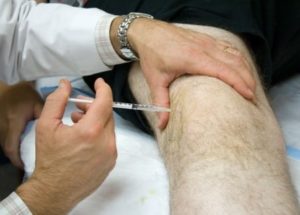 because the degenerative soft tissue (tendon, ligament) has potentially started to regenerate or regrow itself. The bioactive proteins may stimulate healing and repair. New research shows PRP to be more effective than cortisone injections –which mask the inflammation and have no healing capabilities.
Cortisone has no healing properties, does not work long term, and can lead to more tissue damage on occasion. More recently (2019), cortisone injections are now thought to potentially lead to cartilage damage as well, thus potentially worsening osteoarthritis.
Recommended Reading:
Tennis Elbow: What is it? Is PRP an option?
PRP for Tendons and Arthritis
Platelet-Rich Plasma
PRP and Elbow Ligament Injuries
Source: https://www.howardluksmd.com/prp-injection-procedure-and-recovery-time/
0 Response to "How Long Does Prp Continue Working"
Post a Comment